Citation styles: match the reference to the writing system
Your assignment says APA, but your references are in MLA. Switching citation styles changes more than punctuation: it changes how readers find a source. I check the required system before entering references, then compare a book, article and webpage after any switch.
Choose citation styles from the assignment’s requirements
Look for a named style, edition or institutional guide in the brief. APA, MLA and Chicago are recognizable families, while Harvard has multiple institutional conventions. Citation Generator’s Harvard choice is Cite Them Right. It is useful only when that convention fits the requirement; selecting a generic Harvard label does not prove a match. If the brief links a department guide, use that guide to settle its particular punctuation, date and access-date expectations.
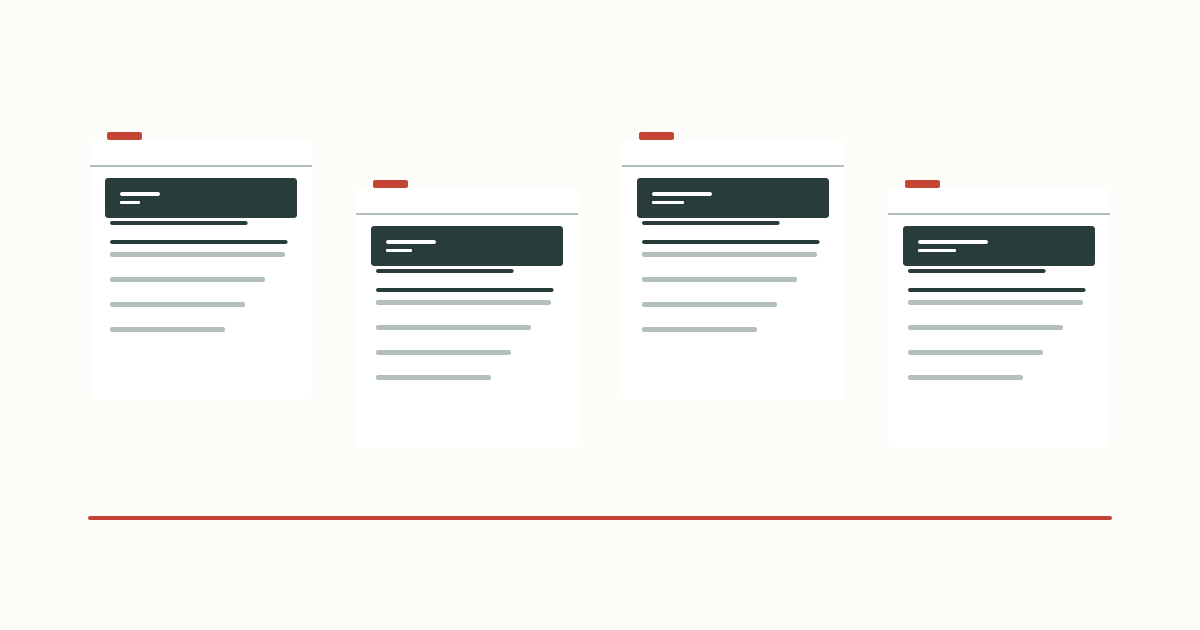
I write the chosen system beside the source inventory before entering references. This keeps a later change from becoming a mixture of outputs copied at different stages. In the citation generator, changing the style reformats saved records together, and the output labels identify whether the secondary result is an in-text citation or a full Chicago note. Compare a representative book, article and webpage after any change. One source type can look similar between styles while another exposes a substantial difference.
| Choice | Secondary output here | Full-list output | Decision to check |
|---|---|---|---|
| APA | Author–date in-text citation | Reference entry | Author count, title treatment and a cited locator |
| MLA | Author or title with a location when supplied | Works-cited entry | Work versus container; passage location |
| Chicago | Full note | Bibliography entry | Natural versus inverted author order; note versus full range |
| Harvard · Cite Them Right | Author–date in-text citation | Reference entry | The named convention matches the course requirement |
Read author–date citations as links to full references
An author–date citation is a compact pointer, not a miniature copy of every publication detail. Readers use its author or identifying title and its date element to find the full reference. The reference then supplies the title and source information needed to recognize the work. APA can abbreviate a multi-author in-text citation even when the reference retains a much longer author list. Do not copy a reference’s full author string into a parenthetical citation by hand and assume the rule is identical.
The cited locator belongs to the passage used in your writing. It can identify a particular page while the reference describes the whole work. For an article spanning pages 45–67, a cited page of 50 does not change the article’s extent. Citation Generator separates these fields. If your source requires a specialized locator that the page-based input does not express appropriately, consult the required guide and adjust the final citation in the document rather than forcing it into a misleading page number.
Keep the work and its container separate in MLA
An article, episode or webpage can sit inside a larger publication. The source title names the smaller work, while a journal, show or website can act as its container. Entering the journal name as the article title can produce a grammatical reference that identifies the wrong thing. I inspect both titles before deciding which text needs quotation marks or italics. The MLA Style Center format index links common source cases and organizes them around the core-element approach.
MLA’s in-text result generally identifies the author and a location when one is provided. A publication year that belongs in the works-cited entry should not be inserted into that result simply because you used author–date citations elsewhere. A source without an author may need its identifying title instead. Review the beginning of the full entry and the compact citation together: they should lead to the same work without inventing an author or a passage location that the source does not have.
Do not substitute a Chicago bibliography entry for a note
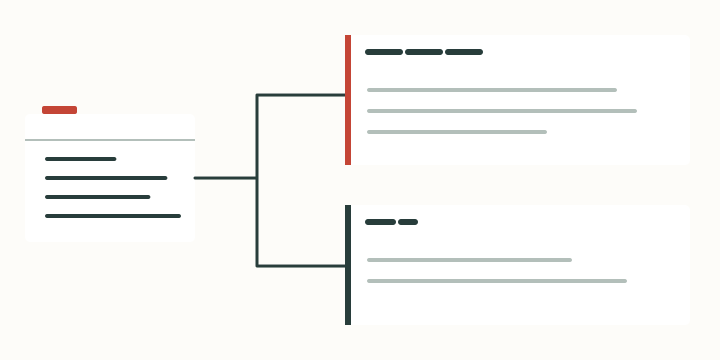
Chicago’s notes-and-bibliography system uses notes at the point of citation and a bibliography for the fuller source list. The first full note and the bibliography entry can differ in author order and punctuation. A note can include the specific page used, while an article’s bibliography entry describes its complete page range. The official Chicago examples present full notes, shortened notes and bibliography entries separately.
Citation Generator provides a full note, not a promise that every later citation in your document should repeat that full text. Repeated citations may need shortened notes according to the writing context. Social posts omitted from the selected Chicago bibliography remain as labeled note-only cards and are exported in a separate section. Your document editor also controls footnote numbering and placement. I use the tool to prepare source wording, then manage the notes within the document. Chicago author–date is a different system; the Chicago choice here is explicitly notes and bibliography, so do not relabel its output as an author–date reference.
Keep the chosen system intact through export
Copying a reference as plain text removes visual styling such as italics. HTML export retains those features and supplies a hanging-indent layout, but the receiving editor may alter them on import or paste. BibTeX transports metadata for a compatible workflow rather than freezing a word-processor layout. A JSON project keeps the fields editable in this tool. Choose the format for the destination, then inspect the document after transfer instead of assuming that a successful download proves the final typography is right.
My final routine is to check the required style, compare each source record with the original work, verify its matching citation or note and inspect the exported layout. I also check that imported records did not change author order or lose an article’s container. The local search is a catalog lookup, not a remote source-verification service. For absent credits and dates, read the missing-author guide. A consistent citation system helps readers follow the evidence; it cannot replace reading that evidence or deciding whether it supports what you have written.
For a webpage, follow the website citation steps to collect the page title, credit and direct address before formatting.
Questions and answers
Does the Chicago option generate author–date citations?
No. It generates a bibliography entry and a full note from the notes-and-bibliography system. Manage shortened notes and footnote numbering in your document.
Will changing the style change my source facts?
The selected style reformats the saved source records. Review both outputs, especially author order, dates, titles and page locators, before replacing citations in your document.
Does HTML export keep italics?
Yes, the exported HTML retains safe italic formatting and hanging indents. Inspect the result after importing or pasting it into your editor because the editor can change the layout.